
What to Pack for Your Child’s First Holiday Camp in Singapore
2026-05-21 • 7 min read
The first holiday camp is rarely about the camp itself. It is about whether you packed the right shoes, labelled the water bottle, and remembered that Singapore weather changes every two hours. This 2026 guide covers day camps, overnight camps, activity-specific add-ons, and what to skip, with checklists by age. Browse all holiday camps on Jungle.
Every Singapore parent has been here. It is the night before camp and you are still looking for a hat that fits, a water bottle that does not leak, and confirmation that the new pair of trainers will not give your child blisters by day two. What to pack for your child’s first holiday camp in Singapore is the question every parent searches before their first drop-off, and most camp websites answer it with a one-line note saying “pack appropriately for the weather”.
That is not a packing list. This is. Whether your child is starting a half-day art camp in Tanglin or a five-day adventure week in East Coast Park, the right pack makes the difference between a smooth week and three days of mysteriously lost socks. For full holiday timing context, the June 2026 holiday camp guide and our 2026 outdoor and nature camps guide cover what to expect from the most popular camp categories.
Day Camp or Overnight Camp
The single biggest factor that shapes the bag is whether your child sleeps at the camp. The two pack lists overlap on essentials but diverge sharply on what gets added.
Day camp typically runs 9am to 3pm or 9am to 5pm. The bag is light: clothes for one day of activity, a packed lunch or snacks, water, sun and rain protection, and a small towel. The whole thing fits in a child-sized backpack and goes home each evening.
Overnight camp adds sleep gear, multiple outfit changes, toiletries, comfort items, and usually a full-sized duffel or small wheelie suitcase alongside a daypack. Most providers publish a specific packing list for overnight programmes, but the framework below covers what they consistently include.
The Core Packing List for Singapore Holiday Camps
These items belong in every Singapore holiday camp bag, day or overnight.
Clothing
Light, breathable fabrics. Cotton T-shirts, athletic shorts, and a long-sleeved layer for air-conditioned indoor sessions. Pack one outfit per day plus one full spare set for accidents and spills. Avoid white. Avoid anything your child would be upset to ruin. Tropical camp activities mean mud, paint, food, and water in unpredictable combinations.
Footwear
The most common first-camp packing mistake is fresh new shoes. Send your child in trainers they have already worn in. Aqua shoes or sturdy sandals for any water activity. Add a spare pair of socks to the bag every day, Singapore rain soaks shoes in under a minute, and a dry pair midway through the day is one of those small kindnesses that earns gratitude.
Sun and Rain Protection
Singapore weather demands both, often in the same hour. A wide-brimmed hat or cap, a child-safe SPF 30 or higher sunscreen, and a lightweight rain poncho or compact umbrella. Even indoor camps include outdoor breaks, and the Health Promotion Board’s guidance on physical activity and hydration is clear: tropical heat exposure without protection puts children at meaningful risk of dehydration and heat stress.
Hydration and Food
A reusable water bottle with your child’s name on it, ideally 600ml or larger. Most camps provide morning and afternoon snack breaks but not all provide lunch — check before drop-off. If lunch is BYO, pack something that holds up at room temperature for four hours: sandwiches, wraps, rice balls, fruit, dry crackers. Avoid anything fragile, leaky, or heavily perfumed.
Personal Care and Hygiene
Wet wipes, hand sanitiser, a small pack of tissues, and a change of underwear in a sealed bag (younger children especially). For longer days, a small travel toothbrush. A compact, quick-drying microfibre towel takes up almost no space and is the single most useful item in any rain or water situation.
Safety and Identification
A laminated index card in the front pocket of the bag with: your child’s full name, your contact number, the camp’s emergency line, any allergies, and any current medication. Most providers ask for this on registration, but a physical card in the bag is what staff will reach for first in an emergency.
What to Add for an Overnight Camp
If your child is staying overnight, add the following to the core list. Most Singapore overnight camp providers including Outdoor School Singapore and Wildlings publish their own packing lists. Expect to include:
- A lightweight sleeping bag or compact bedroll. Most overnight camps in Singapore do not require a heavy sleeping bag even at night, indoor cabin temperatures rarely drop below 24°C. A thin cotton or fleece bedroll is enough.
- Sleepwear suited to indoor air conditioning. Singapore camp cabins are often heavily air-conditioned. Pack long-sleeved cotton pyjamas, not just shorts.
- A small torch with spare batteries. Useful for night-time toilet trips and rarely supplied.
- A book, journal, or low-key comfort item. No screens, see What NOT to Pack below. Most children adjust faster to overnight camps when they have one familiar object: a small soft toy, a journal, a favourite book.
- Toiletry kit with everything labelled. Toothbrush, toothpaste, shampoo, soap, hairbrush, mosquito repellent. Most overnight camps in Singapore are at outdoor sites where evening insects are unavoidable.
Activity-Specific Add-Ons
Pack what the camp’s specific format demands. Activity-specific items are usually what first-time parents forget.
Swim and Water Camps
Two swimsuits (one to wear while the other dries), goggles, a swim cap if the pool requires one, and a dedicated waterproof bag for wet items. For SwimSafer intensives during June and December, our 2026 Singapore Kids Swimming Guide has the full breakdown of what providers expect.
Outdoor and Nature Camps
Closed-toe shoes that can get muddy, long socks for ankle protection, a long-sleeved shirt for sun and insect cover, and a small dry bag for any wet kit. Tropical lightning storms move fast and outdoor camps follow strict shelter protocols, the Meteorological Service Singapore’s lightning advisory is the standard most reputable camp operators use to time their outdoor windows.
Sports Camps
Sport-specific footwear (football boots for football, court shoes for tennis), shin guards or protective gear if specified, and an extra athletic shirt. Some providers supply jerseys; some do not. Confirm at registration.
STEM, Coding, and Arts Camps
A pencil case with basic stationery, an apron or old shirt for art camps, and a labelled laptop or tablet only if the provider explicitly asks for one. Most coding camps supply hardware. Check before sending anything valuable from home.
What Age, What Pack
The fundamental list does not change with age, but the volume and the parent’s role does.
Ages 3 to 5 (Half-Day Camps)
Half-day formats only at this age. Pack one spare outfit, two pairs of underwear, wet wipes, a small snack, a water bottle, a sun hat, and a comfort item (small soft toy or familiar blanket). ECDA’s standards on early childhood programmes set the regulatory baseline for what licensed providers must hold on-site, including first aid and dietary considerations.
Ages 6 to 8 (Full-Day Camps)
The first age group where a child can largely manage their own bag with adult oversight. Pack: full-day clothing change, lunch, two snacks, water bottle, sunscreen they can reapply themselves, hat, light rain layer, and a card with emergency contact details.
Ages 9 to 12 (Day or Overnight)
Old enough to pack alongside you and take real ownership. This is the age to walk them through their own packing list rather than doing it for them. Build in one independence layer at a time. A child who packs their own clothes for a five-day overnight camp at this age will pack twice as confidently the year after.
What NOT to Pack
This is the section most packing guides skip. Singapore holiday camp providers are nearly unanimous on what should stay home.
- Expensive electronics. Phones, tablets, gaming devices. Most camps either ban them outright or store them in a single bin for the day. The result is either confiscation drama or a lost device. Leave them at home.
- Valuables. Branded jewellery, designer accessories, large amounts of cash. Children lose things at camp. This is not a controversial claim.
- Heavy luggage. A standard child-sized backpack handles all day-camp needs. Anything larger gets in the way of physical activity.
- Anything your child cannot afford to lose. The general rule: if you would be upset by its disappearance, do not pack it. Camps run on movement, mud, and shared spaces.
The Day Before Camp - A Practical Pre-Camp Checklist
The night before drop-off, run through this list.
- Label everything. Every garment, the water bottle, the hat, the lunch box, the bag itself. Permanent marker on a sewn-in tag, or stick-on iron-on labels. Children’s belongings at camp end up in identical piles within hours.
- Confirm pickup and drop-off times in writing. Camp schedules occasionally shift in the final week. A screenshot of the confirmation email is faster than searching at the gate.
- Update the camp’s emergency contact information. Make sure the number on file is one you will actually answer during work hours.
- Pre-pack the bag with your child, not for them. Even at age four, walking through what is in the bag gives them ownership and reduces drop-off anxiety. Children who know what is in their bag do not lose things at the rate children who do not.
- Charge the labelled emergency phone or device only if the camp permits it. Most do not.
Blogs
Oct 30, 2026
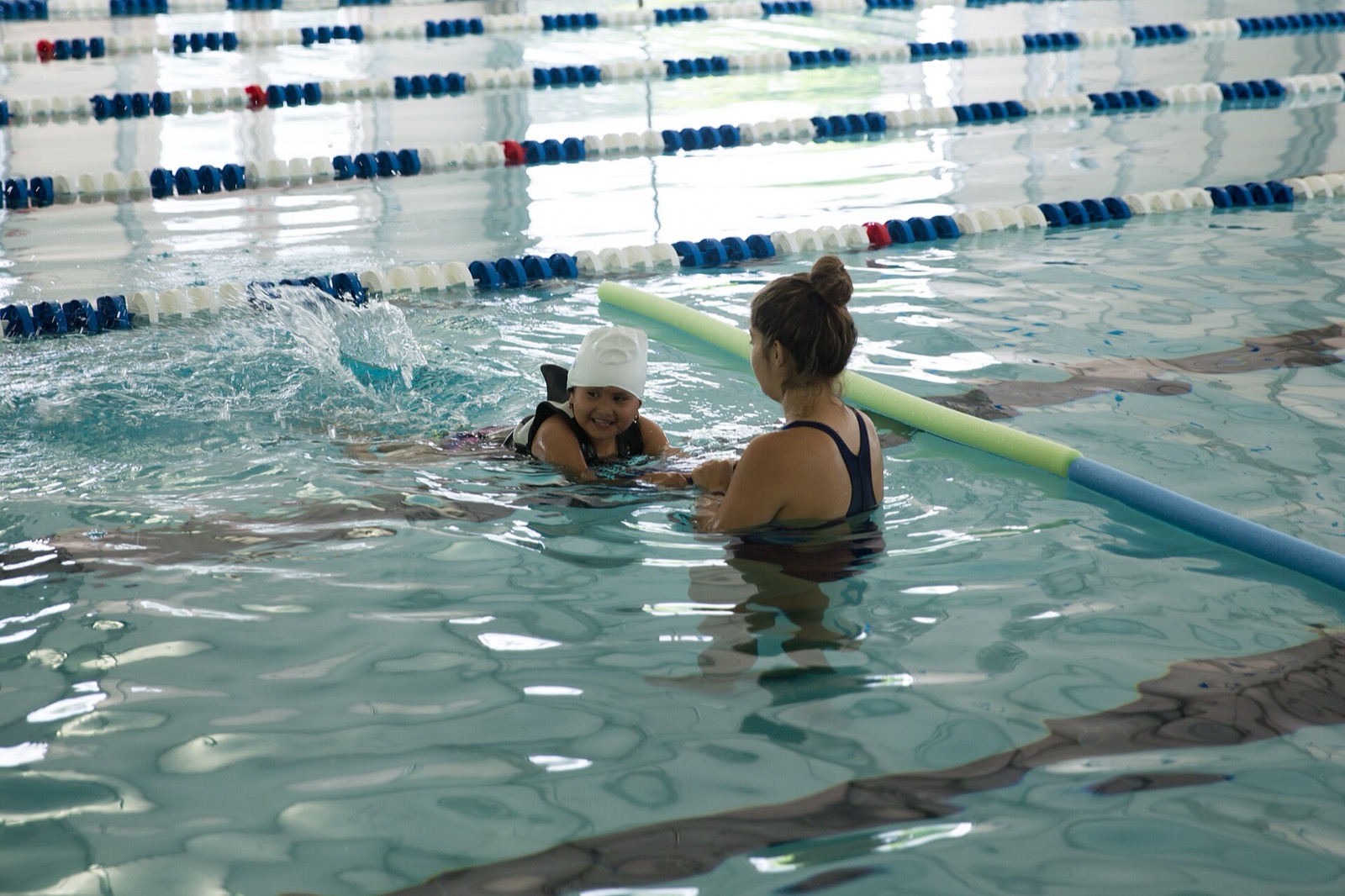
SwimSafer Explained: The 6 Stages, the Test and Where Kids Learn (2026)
Oct 30, 2026
Public Speaking and Speech and Drama Classes for Kids in Singapore: 9 Schools
Oct 30, 2026
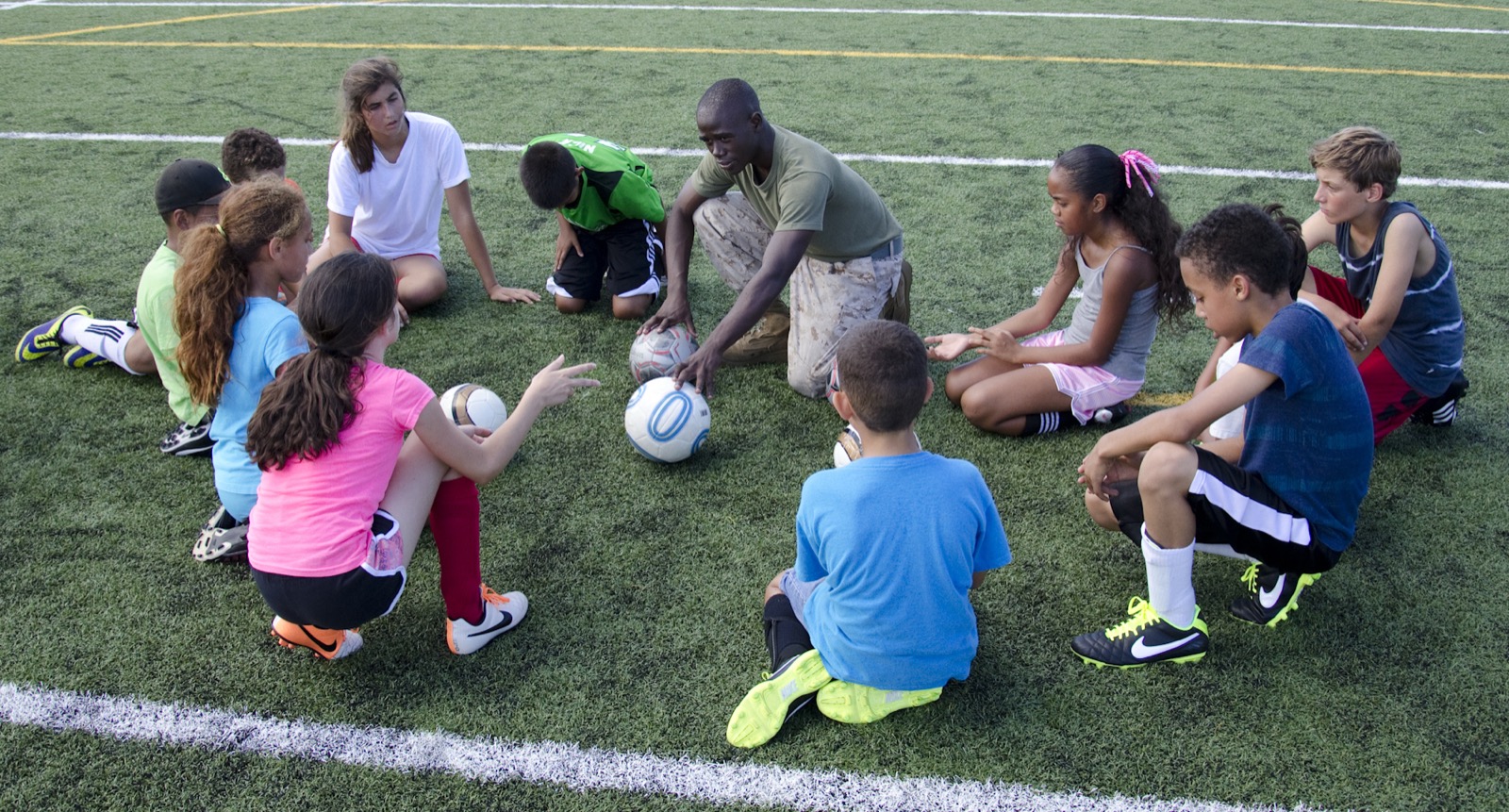
Football Academy Singapore: 11 Kids' Academies Compared, With Fees (2026)
Oct 30, 2026
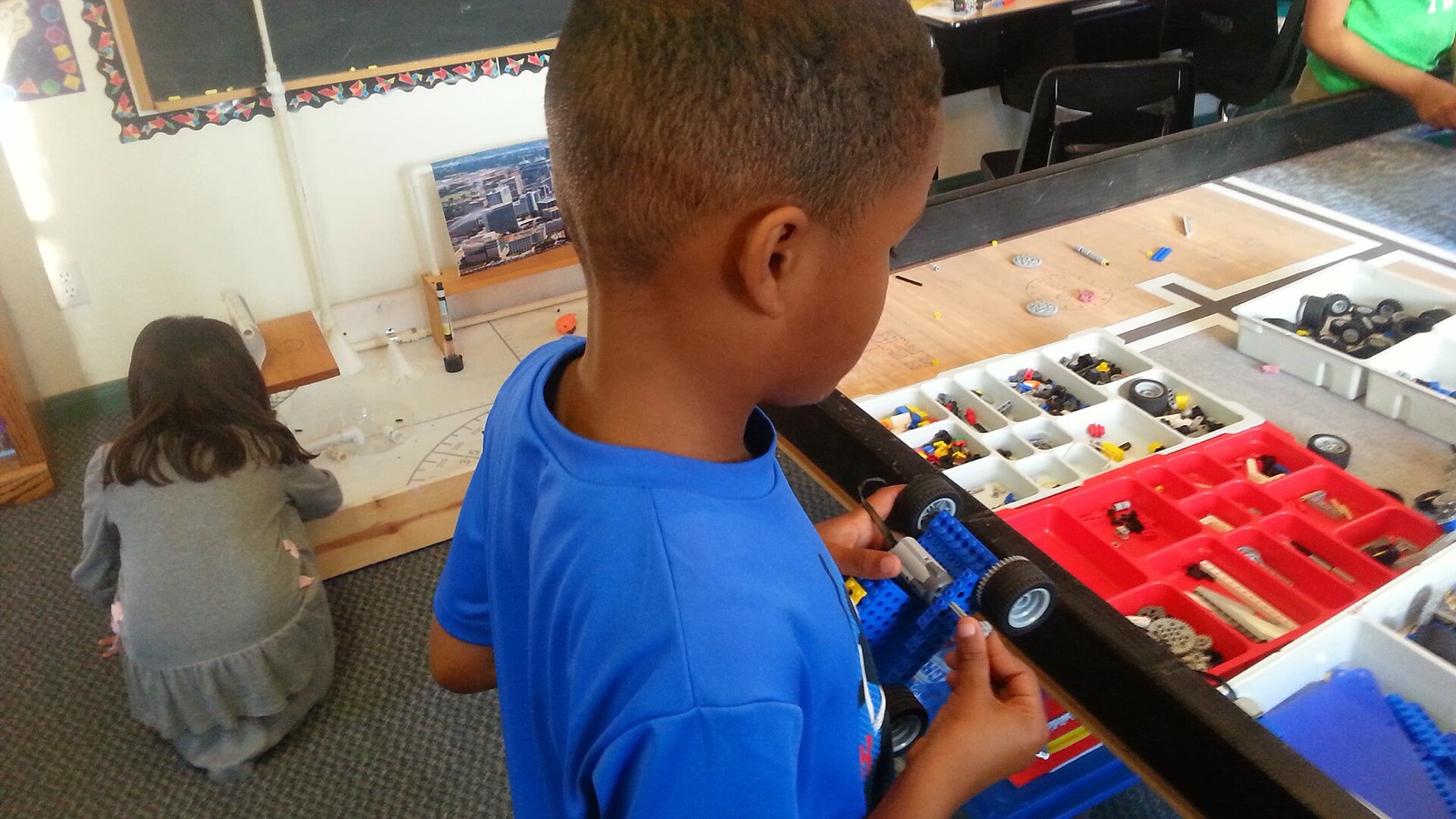
Coding and Robotics Classes for Kids in Singapore: 9 Schools and Fees (2026)
Oct 30, 2026
Chinese New Year 2027 in Singapore with Kids: Dates, School and Events
The Friday edit.
Weekend picks, holiday camps with remaining spots, and the odd story from parents we talk to.