
A Guide to Children's Language Enrichment in Singapore
2026-05-05 | 6 min read
Singapore is one of the best places in the world to raise a bilingual or multilingual child. This guide covers the most popular languages parents are signing their kids up for in 2026, covering Mandarin, French, Japanese, Spanish and more, with what to look for in a class and where to find providers near you. Browse language classes for kids on Jungle.
Children who start learning a second language before age 5 are significantly more likely to achieve native-level proficiency than those who start later. The cognitive window for language acquisition is real, and Singapore parents increasingly know it.
There is a practical local reason too. Every student in the Singapore school system studies English plus a mother tongue subject, either Mandarin, Malay or Tamil. Starting enrichment early gives children a meaningful head start before the curriculum demands kick in at Primary 1. And with Mandarin, French, Japanese, Korean, Spanish and more all available at enrichment level across the island, Singapore parents have more options than almost anywhere else in the region.
What to Look for in a Kids Language Class
- Native or near-native instructors. Accent and natural phrasing are absorbed early. A teacher who learned the language formally will pass those habits on.
- Small class sizes. Languages are learned through speaking. A class of 15 where a child speaks for five minutes per session will produce slower results than a class of six where they are constantly interacting.
- Age-appropriate methodology. Songs, stories, games and movement for younger children. Not worksheets.
- Alignment with the school syllabus. For Mandarin and mother tongue classes especially, check whether the curriculum maps to MOE requirements. This matters as children approach PSLE.
- A trial session. Always try before committing to a full term.
Mandarin and Chinese Enrichment
Mandarin remains the most in-demand language enrichment category in Singapore. Many parents are concerned about their children's Chinese proficiency given that English tends to dominate at home, and for children targeting SAP secondary schools, Higher Chinese Language is an important PSLE consideration.
Providers worth looking at include Hua Language Centre (catering from 18 months through to secondary level, established since 1992), Berries World of Learning (founded in 1993 with 20 branches island-wide, MOE-aligned curriculum), BrilliBrain Edu (based in Novena and Toa Payoh, known for small class sizes of 1:6 and a creative, STEM-integrated approach to Chinese learning from preschool through to secondary level), and LingoAce (online Mandarin platform, popular with international school families wanting flexible scheduling).
Browse Mandarin and Chinese enrichment classes on Jungle.
French Classes for Kids
French is consistently one of the top non-mother-tongue choices among Singapore parents, partly for cultural exposure and partly because it opens doors to international school programmes and the IB curriculum.
Alliance Française de Singapore has over 70 years of experience and offers classes from age one across all proficiency levels, including holiday camps and cultural programmes. Le Lab by French Pass takes a conversation-first approach focused on building a genuine love for the language rather than textbook drilling, with group classes of up to six students in Pearl's Hill Terrace.
French weekend slots book out fast. Move early if you are looking for a September term start.
Japanese Classes for Kids
Interest in Japanese has grown steadily, driven by cultural interest in anime and gaming as well as practical value for families with regional ties. Ikoma Language School is frequently cited for structured progression and strong JLPT exam preparation, established in Singapore since 1996. Agape School of Education offers Japanese alongside 12 other languages in an MOE-registered setting, catering to both children and adults.
For younger children, look for classes that introduce hiragana and katakana through visual and game-based methods. Children pick these up remarkably quickly when taught well.
Hindi Classes for Kids
Hindi is an increasingly sought-after enrichment option in Singapore, particularly among Indian families wanting to maintain a connection to their heritage, and families who see it as a practical gateway to one of the world's fastest-growing economies. MOE also recognises Hindi as a second language option at primary and secondary levels, making enrichment classes a valuable head start.
DAV Hindi School Singapore is one of the most established names in the space, serving over 3,600 students across nine centres island-wide. Classes run from nursery level upwards and cover PSLE, O-Level and A-Level preparation. Hindi Society Singapore is another well-regarded option catering from pre-primary through to secondary school, with assessments structured similarly to full-time government schools.
Spanish Classes for Kids
Spanish is the world's second most-spoken native language and an increasingly popular third language choice for Singapore families. The phonetic regularity of Spanish means play-based and music-led classes produce results faster than most parents expect, particularly for children under 8. Agape School of Education offers Spanish alongside a wide range of other languages in a structured, MOE-registered environment suitable for both children and adults.
How to Choose the Right Language
- Is this a mother tongue subject? If yes, make sure the enrichment class complements rather than contradicts what is taught in school.
- How old is your child? Under 6, immersion and play-based approaches work best. Older children benefit from more structured progression with clear vocabulary and grammar milestones.
- What is the long-term goal? Conversational fluency, academic performance, exam certification, and cultural exposure all require different types of classes.
Blogs
Oct 30, 2026
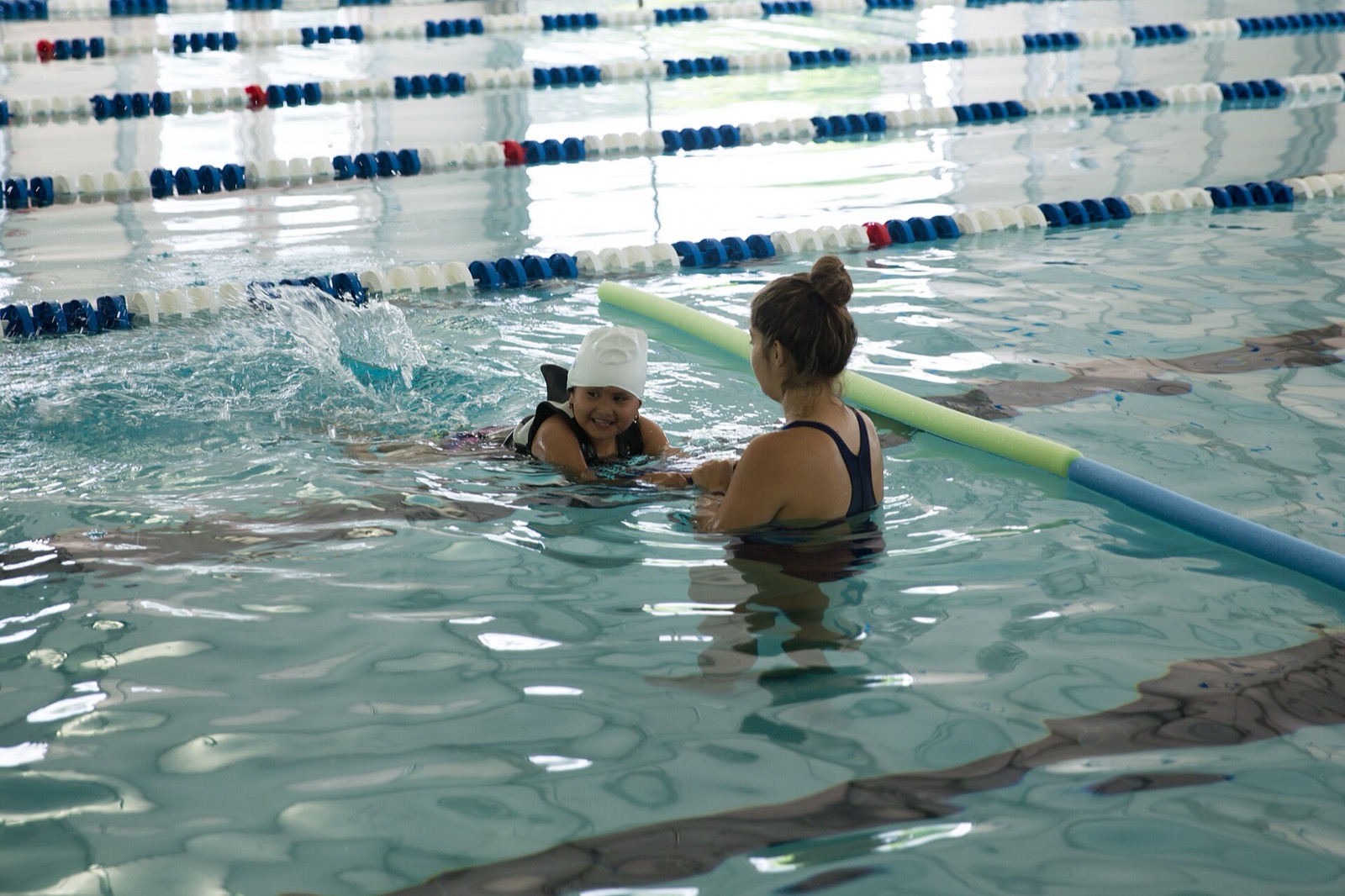
SwimSafer Explained: The 6 Stages, the Test and Where Kids Learn (2026)
Oct 30, 2026
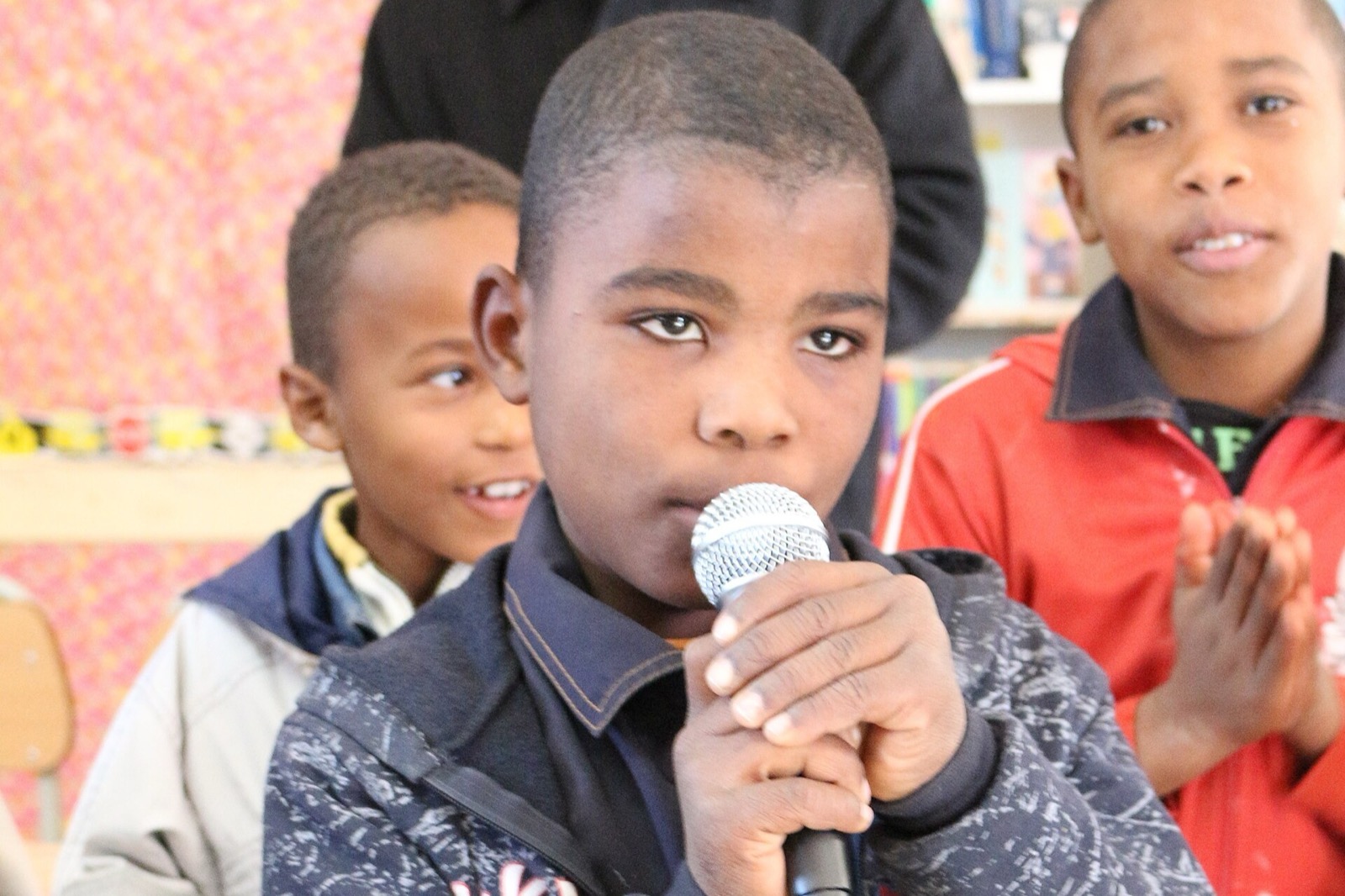
Public Speaking and Speech and Drama Classes for Kids in Singapore: 9 Schools
Oct 30, 2026
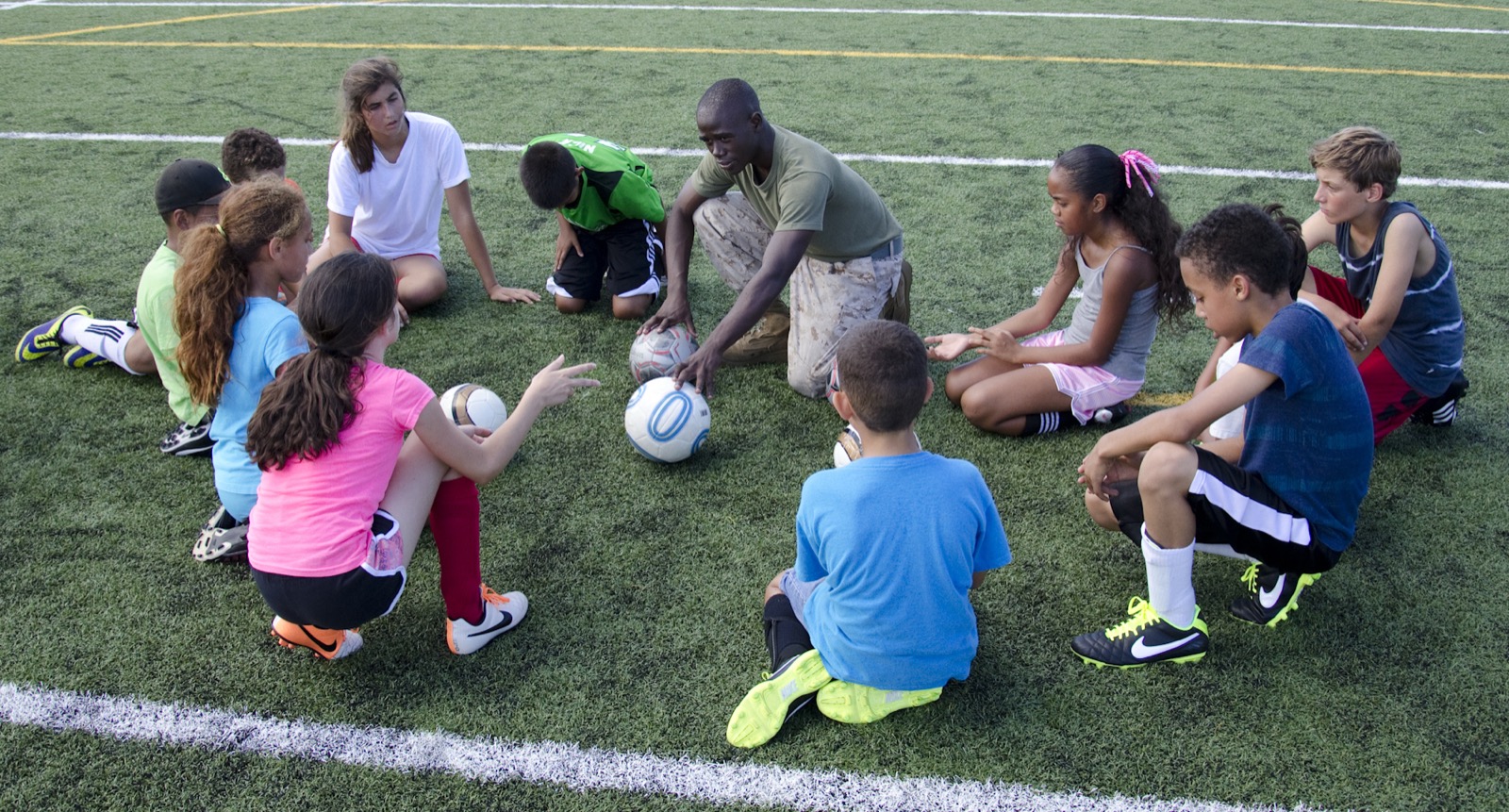
Football Academy Singapore: 11 Kids' Academies Compared, With Fees (2026)
Oct 30, 2026
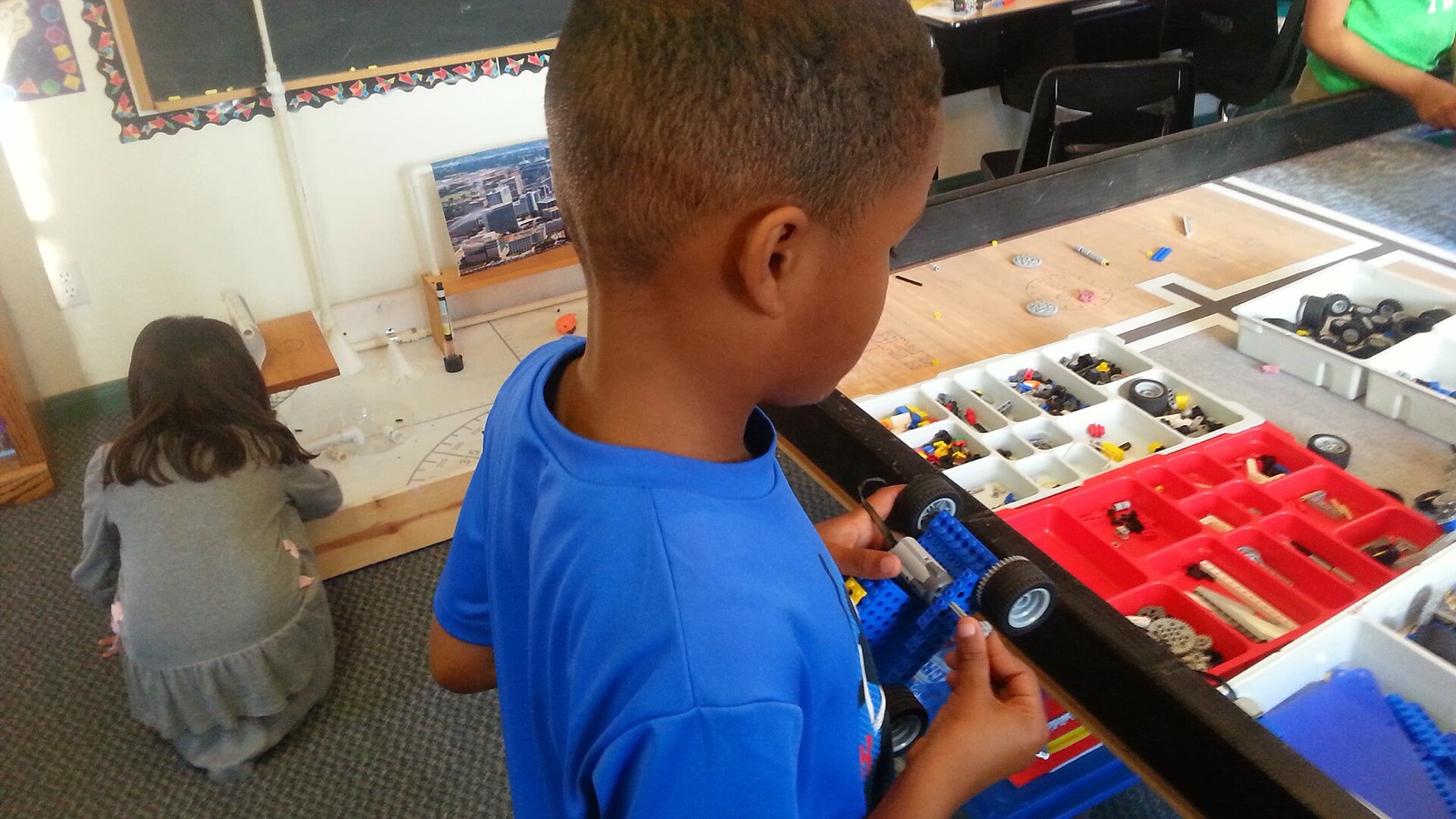
Coding and Robotics Classes for Kids in Singapore: 9 Schools and Fees (2026)
Oct 30, 2026
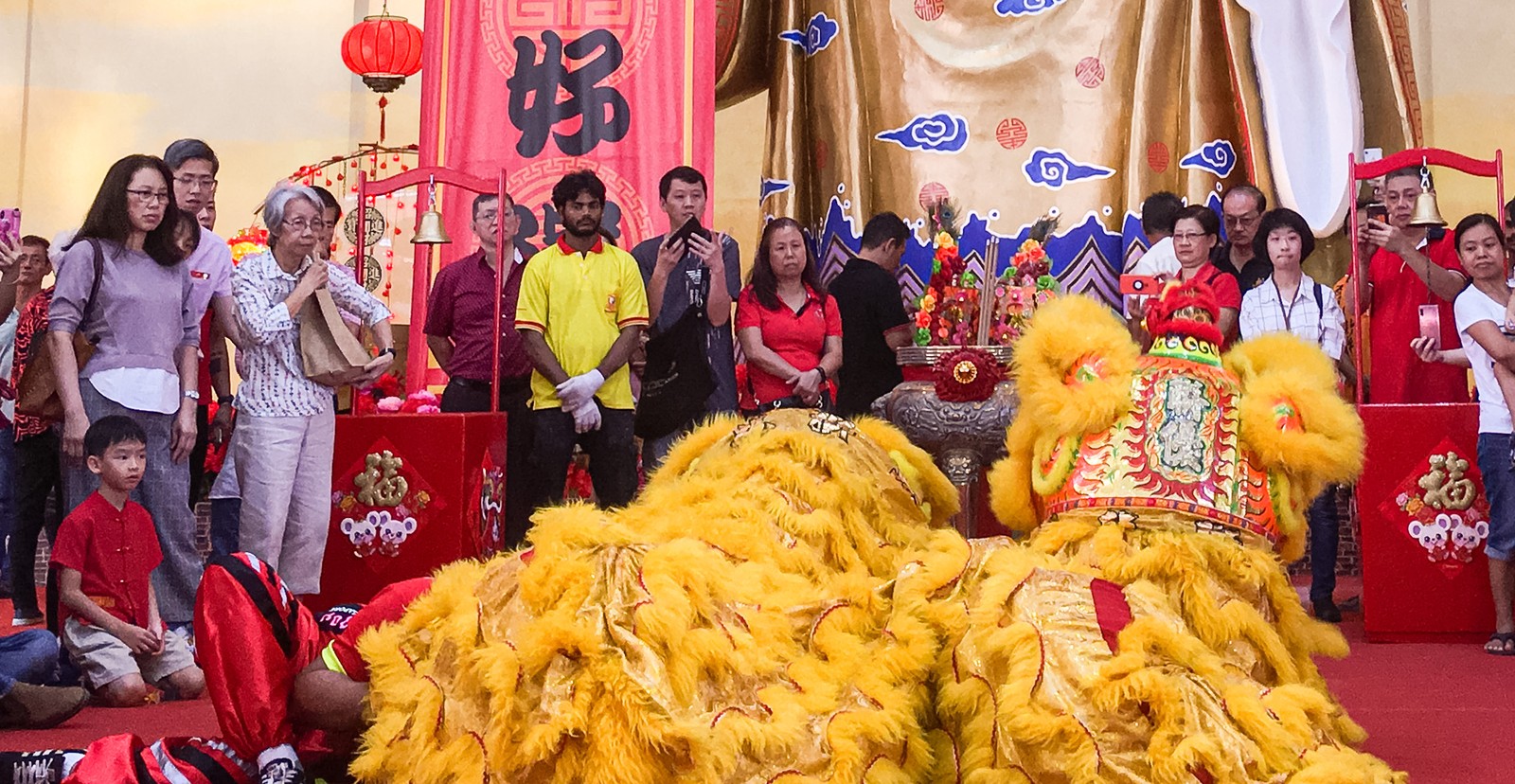
Chinese New Year 2027 in Singapore with Kids: Dates, School and Events
The Friday edit.
Weekend picks, holiday camps with remaining spots, and the odd story from parents we talk to.